Why is it so important to reduce heavy equipment loading injuries, and how can you do it?
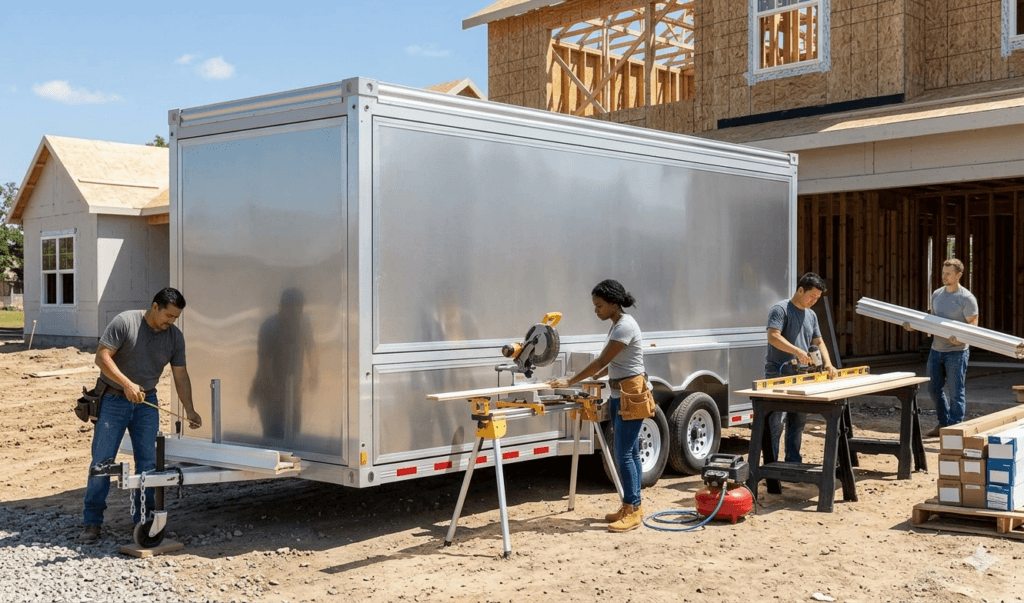
Ask any fleet manager what their most valuable asset is, and they won’t name a piece of machinery. They’ll point to their crew, especially in 2026, a time when finding and keeping qualified field operators has become one of the hardest parts of running a fleet.
But a grueling, high-friction load-out can drain a team’s energy before they even turn a key on the job site. Serious injuries can make matters even worse, placing operators on light duty or knocking them out of the job force altogether.
And when you’re struggling with a traditional trailer set-up, you’re all but asking for hits to your labor force. Those set-ups require significant physical output just to prepare for transit. They require you to wrestle heavy steel ramps while climbing up and down high decks.
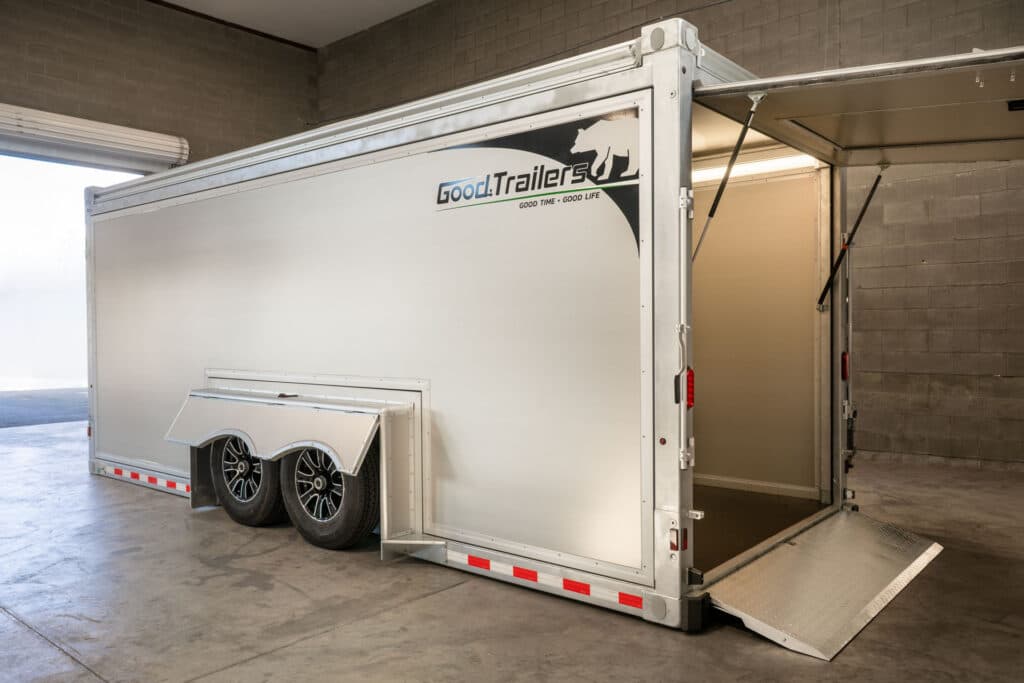
So, at first glance? Hydraulic drop deck trailers with ground level loading might seem like a gimmick, or a luxury. In reality? Focusing on low-effort, ground-level loading offers solutions to some of the most pressing challenges fleet managers face. You save time. You reduce repair bills. And you preserve your crew’s physical energy for the revenue-generating work they were hired to do once they get to the job site.
table of contents
Eliminate Manual Ramp Management
Traditional spring-assisted or completely manual ramps are heavy, awkward, and notoriously hard on lower backs and shoulders, especially in the rain or the mud. Deadlift ramps can easily weigh 100+ pounds each. Muddy or icy ramps are easy to drop. Then workers have to slide or mallet those ramps into place to align them with the machine they’re loading.
There are a lot of opportunities for error in such a set-up, and those opportunities can lead to accidents, injuries, back strain, or muscle tears.
Spring-assisted ramps are better in some ways, but those springs are temperamental. If they get rusted, clogged with gravel, or lose tension, they start becoming just as heavy as traditional ramps. Plus, when you’re lowering a spring-assisted ramp, the spring fights you until you reach the tipping point. Then gravity takes over. The rapid drop is a hazard: if an operator has their hands or feet in the wrong position, it’s a major pinch/crush hazard.
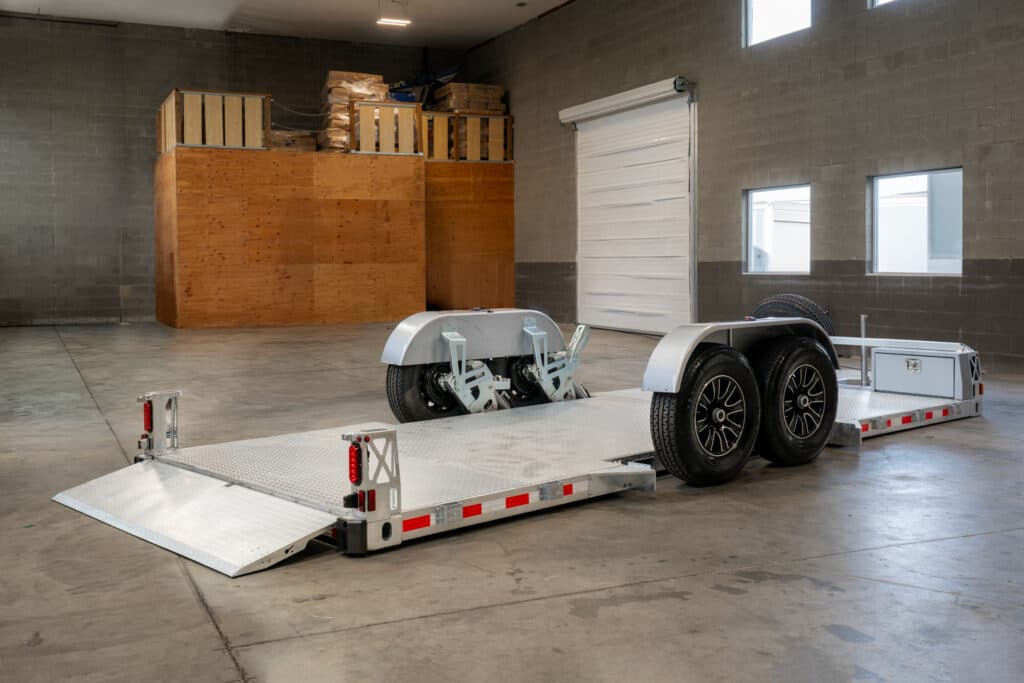
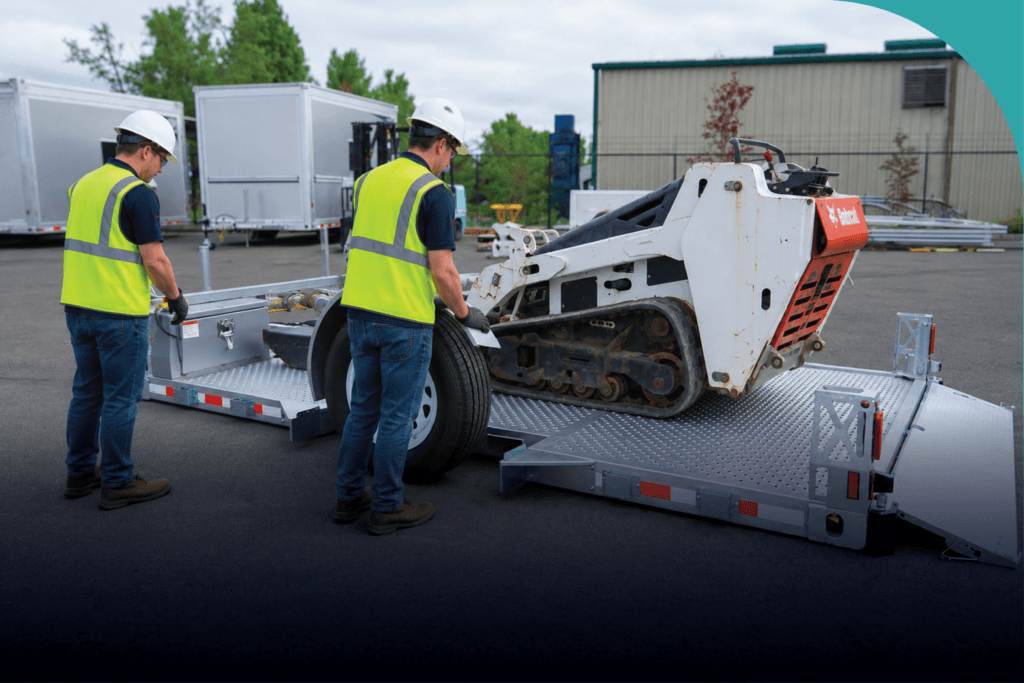
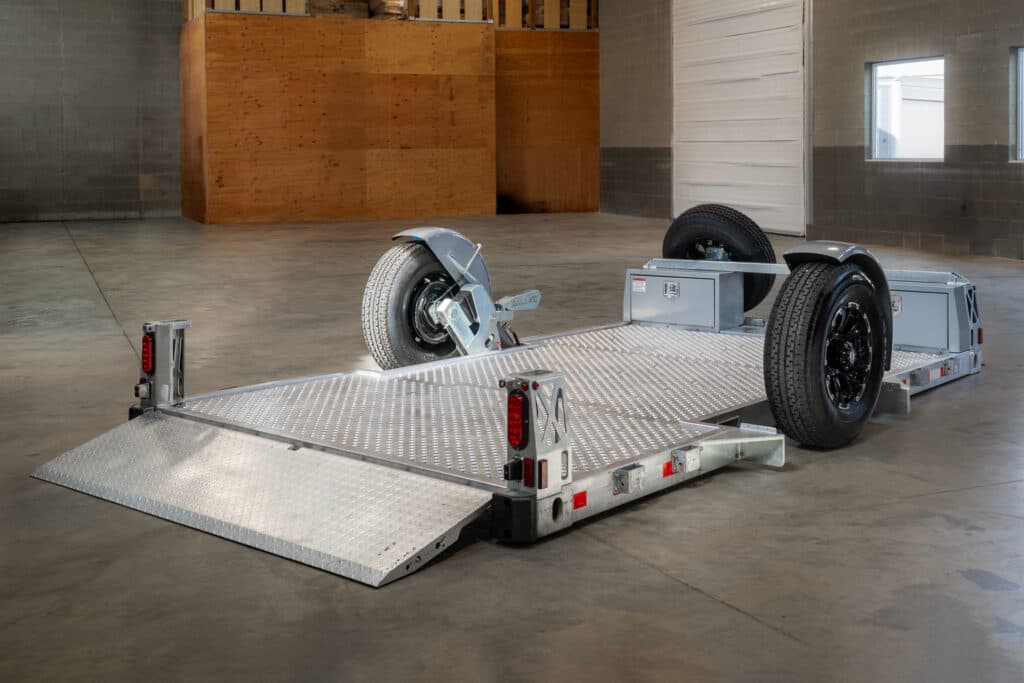
Now compare these experiences to the experience your crew gets when using our hydraulic drop deck trailers. They lower the trailer to the ground. They unhook the lightweight aluminum folding ramp. They flip it out. They’re done. Now the trailer is ready for loading or unloading with a minimum of fuss.
Eliminate the Climb
Watch any crew member load a traditional trailer. They have to jump up awkwardly or climb onto an 18″ deck dozens of times a day.
Ground-level drop deck trailers allow the operator to walk onto the trailer bed exactly like they might walk across a garage floor. No climbing. No jumping down onto hard asphalt.
Less strain on the back and the knees. Less danger of a bad jump turning into an incident and an L&I claim.
Reduce Costly Mistakes
Human error begins to creep in as soon as crews get tired. 4:00 PM slip-ups are common once everyone is exhausted. Operators forget to pin ramps. They skip tie-down points. They misjudge clearance angles. This is where the accidents start happening.
When your loading process requires 80% less physical effort, operators are far more likely to stay sharp all day long. A fresh crew is a precise crew. Plus, hydraulic drop deck trailers are so easy to use and require so much less precision that there are fewer mistakes to make in the first place.
Key Takeaways
As you consider which trailers to add to your fleet this year, consider the following:
- Eliminate deadlifts. Conventional manual trailer ramps can easily exceed 100 pounds. Ground-level drop decks trade grueling physical lifting for a lightweight, flip-out aluminum transition.
- Stop pinch hazards. Temperamental spring-assisted ramps often snap downward violently once they pass their gravity tipping point. Hydraulic drop decks engineer out these classic finger and foot crush zones entirely.
- Protect knees and joints. Forcing operators to repeatedly jump down from standard 18-inch trailer beds causes cumulative joint trauma. A 5.4-inch lowered deck height allows crews to walk onto the trailer as easily as if they’re stepping from the street to the sidewalk while using a curb cut.
- Combat 4:00 PM fatigue. Fatigue is the primary driver of end-of-shift accidents, unpinned ramps, and loose tie-downs. Reducing loading effort by 80% keeps operators sharp, focused, and precise all day.
- Retain workers. In a tight labor market, providing low-strain equipment protects your workforce from debilitating injuries, boosting crew morale and lowering employee turnover.
Good Service with Good Trailers
Upgrading your loading mechanics isn’t a luxury. It’s a strategic move to protect your workforce, reduce employee turnover, and maintain peak productivity from sunrise to sunset.
Ready to haul yourself a competitive advantage? If you’re ready to pick up the best fleet trailers for operator safety, it’s time to start the conversation.
- Call us right now at (360) 889-9789.
- Find a dealer near you.
- Click the green icon to the lower right to chat with Tow-Bot.
- Or contact us to send a message using the form below!
See also:
Risk Mitigation on the Ramp: Seamless Loading & Unloading Solutions
Hauling Heavy Equipment at Highway Speeds
Comparing Good Trailers to Common Alternatives
This resource was compiled by the GoodMFG® Product Team, drawing on 75 years of experience in hydraulic systems, heavy-duty transport, trailers, and modular structures.
P.S. – We build trailers every day, but we don’t run your crews. If there’s a specific logistical headache or a “field reality” we’ve missed, we want to hear about it. Help us refine the equipment that makes your day easier! Email our Marketing Lead at devan-h @ goodrv.com and let us know what we should solve next.