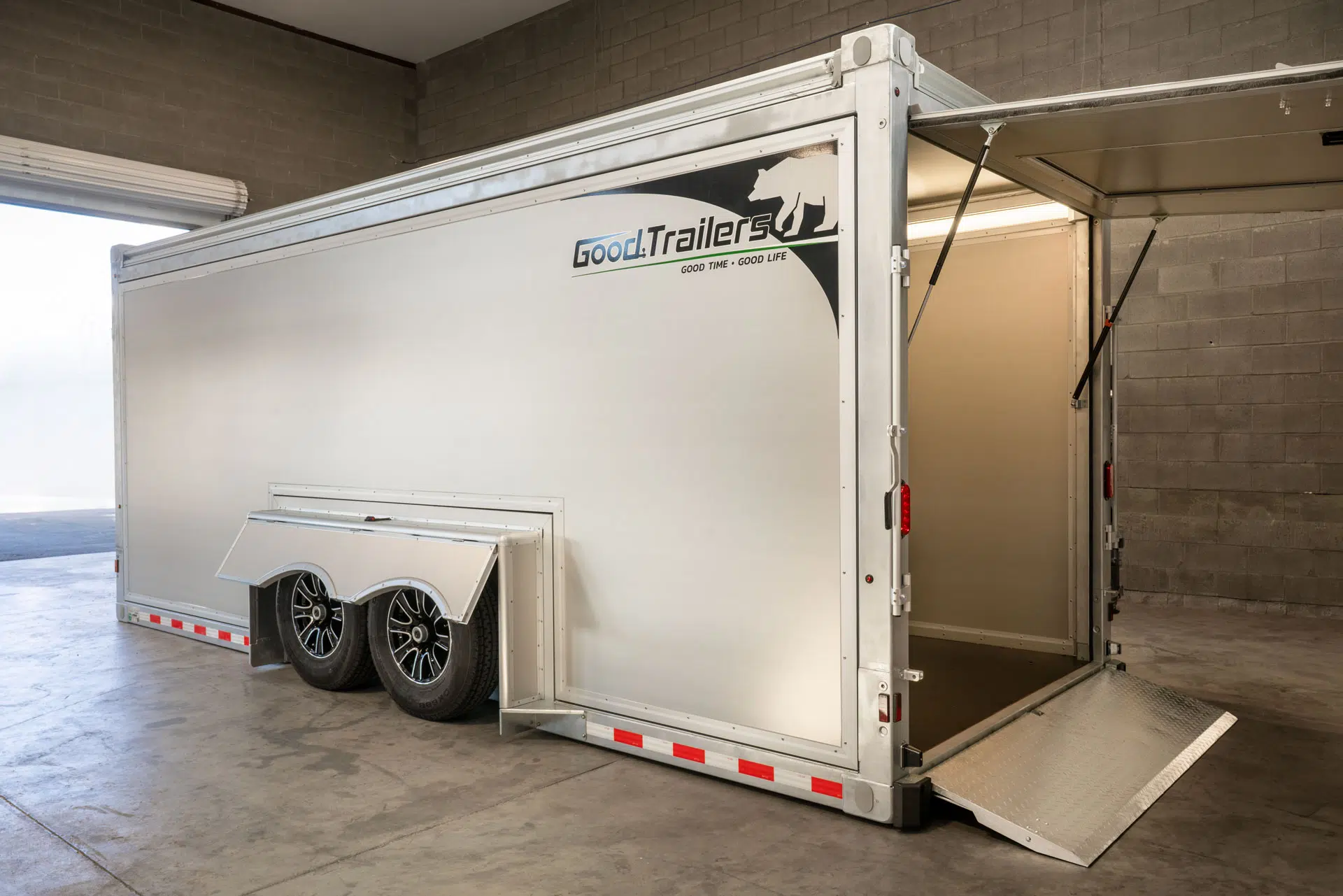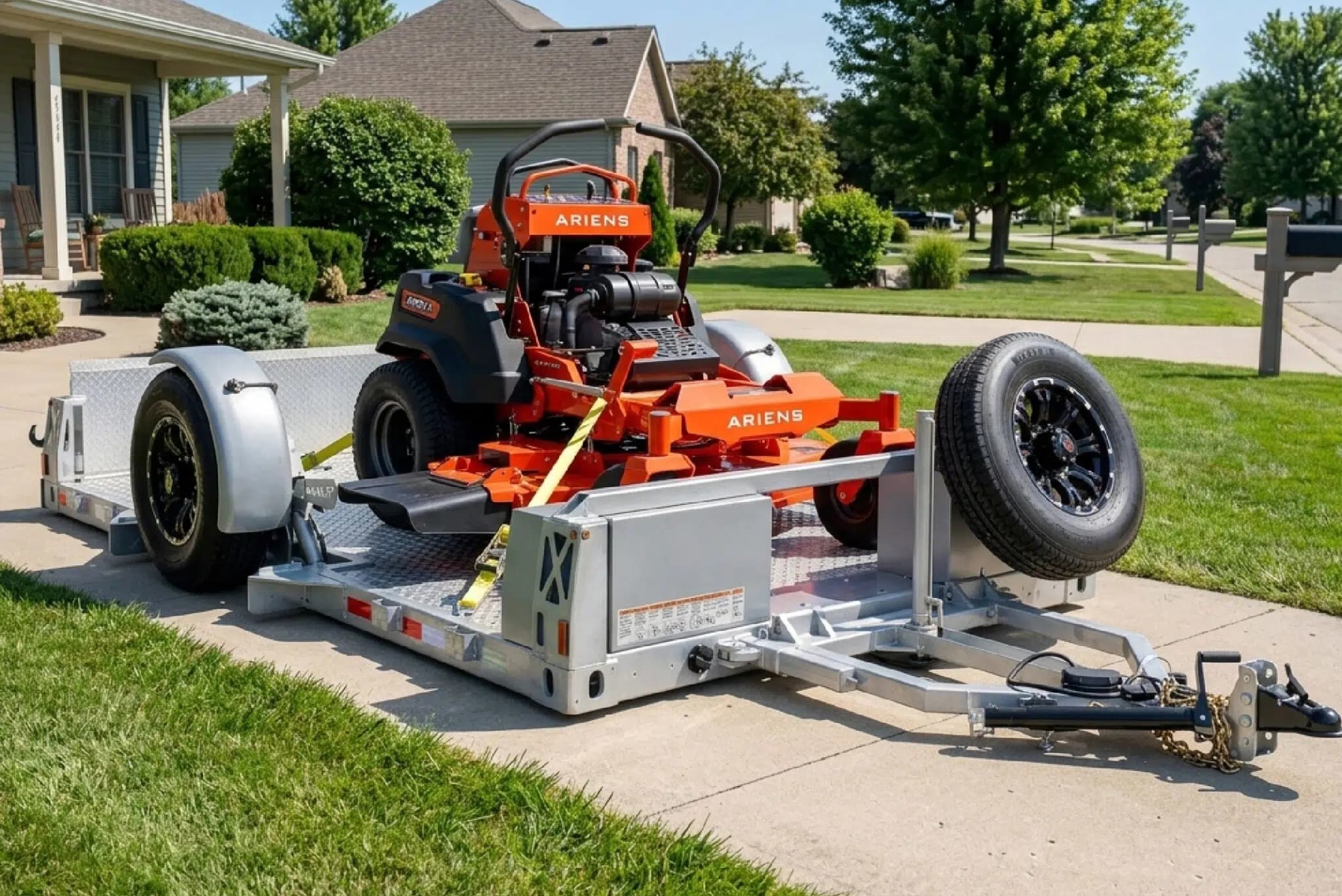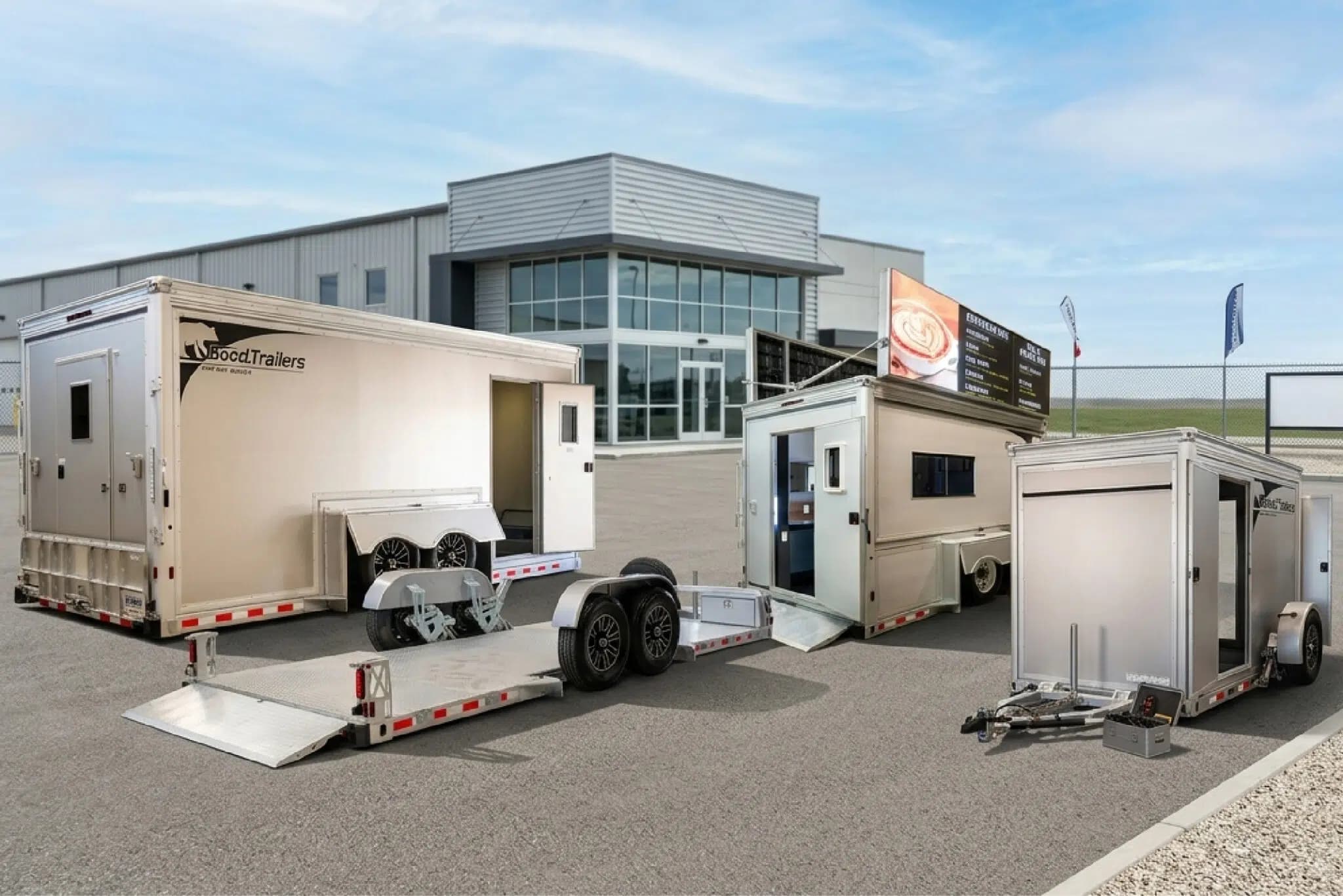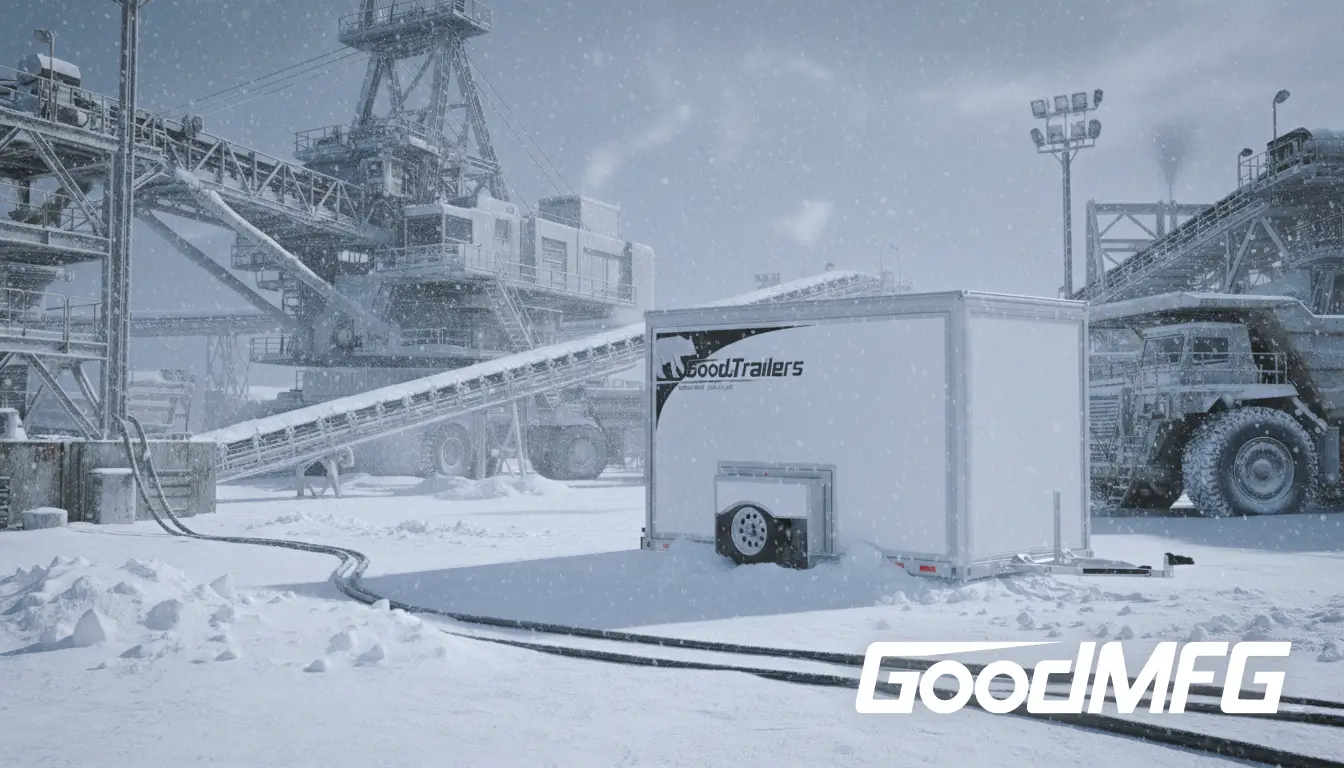
Winter weather significantly increases loading and unloading hazards, even with hydraulic drop deck trailers. Practicing good hydraulic drop deck winter safety helps you get the full value out of your trailer. It protects your people and your gear, too!
Table of Contents
- The Hydraulic Drop Deck Advantage
- Cold Weather Hydraulic Care
- Ramp & Surface Safety
- Communication & PPE
- Additional Safety Tips
- FAQ
- Key Takeaways
- Get the Drop Deck Advantage
The Hydraulic Drop Deck Advantage
A hydraulic drop deck system is crucial for improving safety during winter loading and unloading.
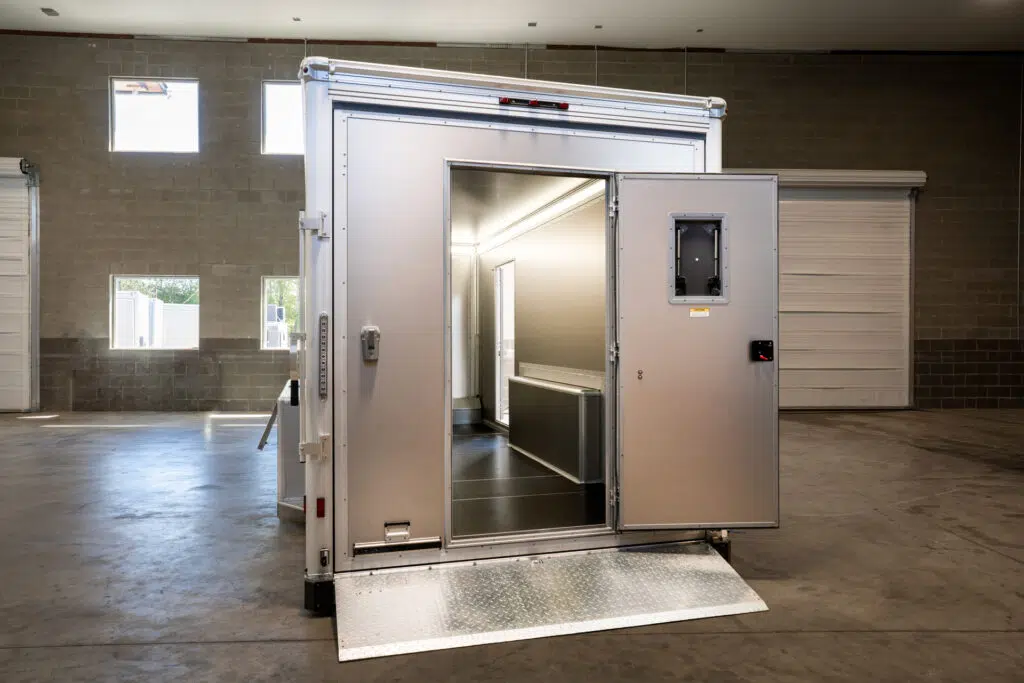
- The low-angle ramp advantage makes all the difference. The system lowers the trailer deck until the chassis sits right on the ground. The low-angle ramp is short and easy to navigate, minimizing the distance personnel must walk. The entire system reduces the amount of effort it takes to move cargo.
- Protect your cargo. The low-angle ramp significantly reduces the risk of drops, damage, and lost cargo that commonly occur when struggling up a high-angle ramp in snowy or icy conditions.
By lowering the deck and minimizing the incline, you reduce strain on employees and prevent costly accidents, promoting both employee safety and customer satisfaction.
Cold Weather Hydraulic Care
Proper fluid maintenance is essential for cold weather operation. Winterize your cold weather operation by using the correct hydraulic oil.
- In normal temperatures, you’d use N46 anti-wear hydraulic oil.
- When temperatures drop below 18°F (-8° C) you need to switch to N32 low-condensate anti-wear hydraulic oil.
The swap prevents thickening and ensures proper hydraulic function in extreme cold.
See your 3T Hydraulic Pump Manual for our single-axle trailers and the 5T Hydraulic Pump Manual for our double-axle trailers for instructions on how to swap out the oil safely. You can download the latest versions here.
Ramp & Surface Safety
Even with the low-angle ramp, ice requires extra vigilance. The fastest and most economical way to handle this is by adding anti-slip tape to the ramp surface. Ensure the anti-slip tape has the following features.
- Abrasive, gritty material.
- Robust adhesives suitable for metal surfaces.
- The capability to withstand moisture and cold conditions.
Recommended products: look for brands and products like Safety Track®, Black Grit Tape, No Skidding 80 Grip Tape, or Heskins Heavy Duty Anti-Slip Tape.
Communication & PPE
The correct Personal Protective Equipment (PPE) and communication are both critical for cold weather safety.
- Footwear and grip. All employees should wear safe, closed-toe footwear with aggressive outsole treads and wear gloves to maintain grip and protect hands from the cold.
- Visibility. High-visibility vests are a vital safety measure when snow and low light conditions are in play.
- Teamwork. Drivers and partners must work together to signal one another when backing or pulling the trailer into a safe zone.
- Pace. Encourage slow, steady work. Pressuring employees to maintain summer speed in winter conditions is a recipe for disaster.
Additional Safety Tips
Before you begin loading or unloading, take these vital precautions to ensure safety for both personnel and equipment.
- Chock all wheels immediately after positioning the trailer.
- Clear the area. Make sure there’s nothing under the trailer before you lower it to the ground.
- Clear surfaces. The deck, ramp, and all lighting should be free of snow and ice.
Following all the checklist steps we listed in our article, “Towing a Trailer Safely” is even more vital during the winter time. Take the time to refresh your employees on these vital safety steps.
FAQ
Should I use the actual temperature or the wind chill when following hydraulic fluid recommendations?
Use the actual ambient temperature when applying your pump manual’s ambient temperature guidance, not the weather app’s “feels like” reading. The National Weather Service explains wind can make equipment cool more quickly, but wind chill does not make an object cool below the actual air temperature.
Wind chill does matter when planning protection for your crew. Consider it alongside wet clothing, exposure time, and access to warm, dry breaks when organizing outdoor loading work. Equipment preparation and worker protection require different temperature considerations.
Can I install anti-slip tape when the ramp is cold?
Do not assume tape designed to withstand winter weather can also be installed in freezing conditions. Installation temperature and service temperature are different. For example, Heskins generally recommends applying its safety tapes above 50°F (10°C) and emphasizes that the surface temperature—not just the air temperature—affects the adhesive bond.
Follow the instructions for the exact tape you choose, including surface cleaning and drying. Plan installation before freezing weather arrives or under suitable conditions, rather than treating tape as an immediate fix for an icy ramp. Snow and ice still need to be removed before use.
Do trailer batteries need additional attention during winter?
Yes. Hydraulic oil is only part of winter preparation. Your owners’ manual will warn you that allowing your battery to become discharged during storage can lead to freezing and damage. Keep it maintained according to the battery and charger manufacturers’ instructions. Do not attempt to charge a frozen battery.
You should also check the emergency breakaway battery before towing. This is a separate safety check! Extreme cold can reduce battery performance and affect breakaway-brake operation.
What should I do if I notice a hydraulic leak during a winter inspection?
Stop using the system and arrange inspection before continuing. Never use your fingers or hands to locate a hydraulic leak. Pressurized fluid can penetrate skin, and pressure must be safely relieved before hydraulic components are disconnected or adjusted. Follow the manufacturer’s shutdown and servicing procedures rather than attempting a quick repair while the system is pressurized.
A suspected hydraulic-fluid injection injury requires immediate emergency medical attention, even if the wound appears small. Tell medical personnel that the injury involved pressurized hydraulic fluid; its seriousness may not be obvious from the skin’s appearance.
Key Takeaways
Here’s your hydraulic drop deck winter safety TL;DR.
- A low-angle ramp does not eliminate winter hazards. Ground-level loading provides a shorter approach to the deck, but snow and ice still require removal before loading or unloading.
- Prepare the hydraulic system for the expected temperatures. Follow the applicable pump manual’s fluid recommendations and maintenance instructions rather than assuming one oil is appropriate year-round.
- Prepare the site before operating the drop deck. Use a safe, level surface, chock the wheels, clear obstructions, and uncouple the tow vehicle before lowering. Follow the complete procedure for your trailer.
- Protect the crew as carefully as the equipment. Appropriate footwear, gloves, visibility measures, clear communication, and an unhurried pace all belong in winter work planning. Include warm, dry breaks rather than relying on clothing alone.
Get the Drop Deck Advantage Today
Now that you’ve gotten some tips on hydraulic drop deck winter safety, you can see for yourself that our enclosed trailers are great for winter weather work! If you haven’t made the switch yet, it’s time to talk to our sales team.
See also:
Meeting Seasonal Business Needs with GoodMFG®
How to Winterize Your Good Modular Structure
How to Use Your Hydraulic Drop Deck System
This resource was compiled by the GoodMFG® Product Team, drawing on 75 years of combined experience in hydraulic systems, heavy-duty transport, trailers, and modular structures.
P.S. – We build trailers every day, but we don’t run your crews. If there’s a specific logistical headache or a “field reality” we’ve missed, we want to hear about it. Help us refine the equipment that makes your day easier! Email our Marketing Lead at devan-h @ goodrv.com and let us know what we should solve next.